Balcony Solar Rules UK: Complete Guide
Understand the regulations and safety requirements for balcony solar in the UK.
How Much Could You Save?
Get a personalized estimate based on your location and balcony orientation.
Calculate My Savings2026 UK Rule Changes
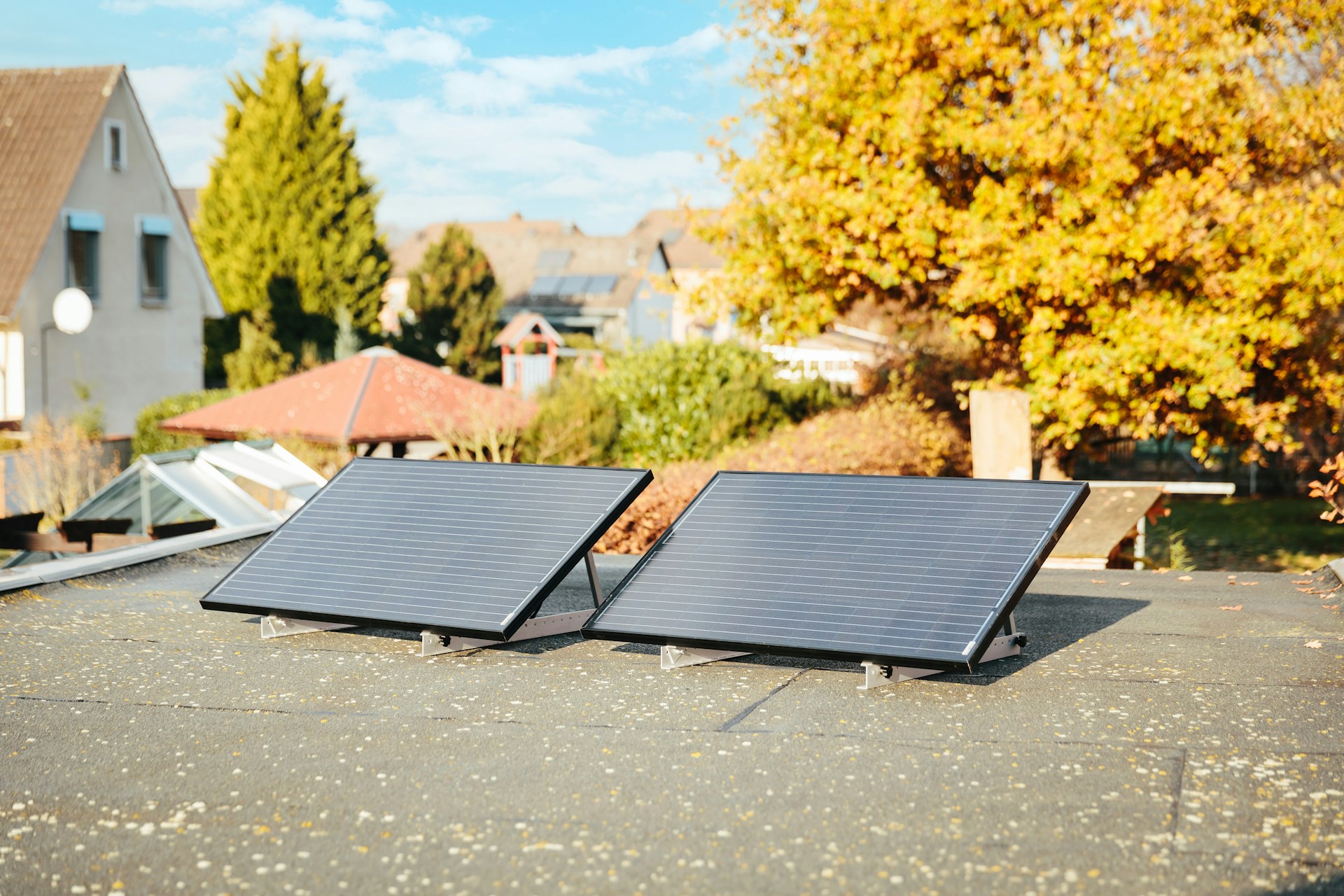
March 2026 marked a significant milestone for plug-in solar in the UK. The Energy Secretary announced new legalisation and standardisation of plug-in solar kits:
- BS 7671 Amendment 4 - New electrical wiring regulations set safety requirements for plug-in solar kits
- 800W Limit - Systems capped at 800W to prevent overheating home wiring
- G98 Notification - You have 28 days to notify your Distribution Network Operator after plugging in
- CE/UKCA Marking - Only buy kits with CE or UKCA marking for safety compliance
- Anti-Islanding Protection - Vital safety feature that prevents power from flowing when unplugged
These changes provide clearer regulations and safety standards for UK homeowners.
Current UK Guidance
Understanding the rules around balcony solar in the UK involves several different areas:
- Planning permission - Usually not required
- Building regulations - Generally not applicable
- Electrical safety - Important requirements
- Connection rules - DNO notification
- Tenancy issues - Landlord permission
Planning Permission
In most cases, balcony solar falls under "permitted development," meaning you don't need planning permission:
- Systems are typically considered "minor building operations"
- No significant structural changes
- Panels can be removed without lasting impact
Exceptions where you MAY need planning permission:
- Listed buildings
- Conservation areas
- National parks (some areas)
- Flats with shared balconies
Always check with your local planning authority if you're unsure.
Electrical Safety Requirements
Electrical safety is the most important consideration:
RCD Protection (Essential)
Your socket must be protected by an RCD (Residual Current Device). This is:
- Standard in most modern UK consumer units
- Required for safety if there's a fault
- Usually installed in the last 20 years
Socket and Circuit Requirements
- Standard UK 3-pin socket
- Dedicated circuit preferred
- 13A rated
- No extension leads if possible
Distribution Network Operator (DNO) Rules
YourDistribution Network Operator must be notified of your installation:
- G98 rules - Apply to systems up to 800W per phase
- 28-day notification - You have 28 days to notify after plugging in
- Notification - Usually handled by the supplier
- Simple process for small systems
Your DNO is the company that manages the grid in your area (e.g., UK Power Networks, Northern Powergrid, Western Power Distribution, etc.).
Permission Considerations
If You Own Your Property
Generally straightforward, but consider:
- Check for any property restrictions
- Review buildings insurance requirements
- Consider neighbour relations (for shared walls)
If You Rent
You MUST get written permission from your landlord:
- Ask before buying or installing anything
- Get permission in writing
- Discuss any conditions
- Consider portable systems if permission denied
For Flat Owners
Additional considerations:
- Check leasehold agreement
- Get permission from building management
- Consider shared balcony rules
- Check structural load limits
Certification and Standards
Look for these certifications when buying:
- CE marking - Required for UK sale
- IEC certification - International safety standards
- MCS certified - (Optional) Helps with future-proofing
- IP rating - Weather resistance (IP65 or higher)
Quality suppliers will provide documentation showing compliance with relevant standards.
Safety Expectations
A properly installed and compliant system should:
- Have all components with CE marking
- Be connected to an RCD-protected socket
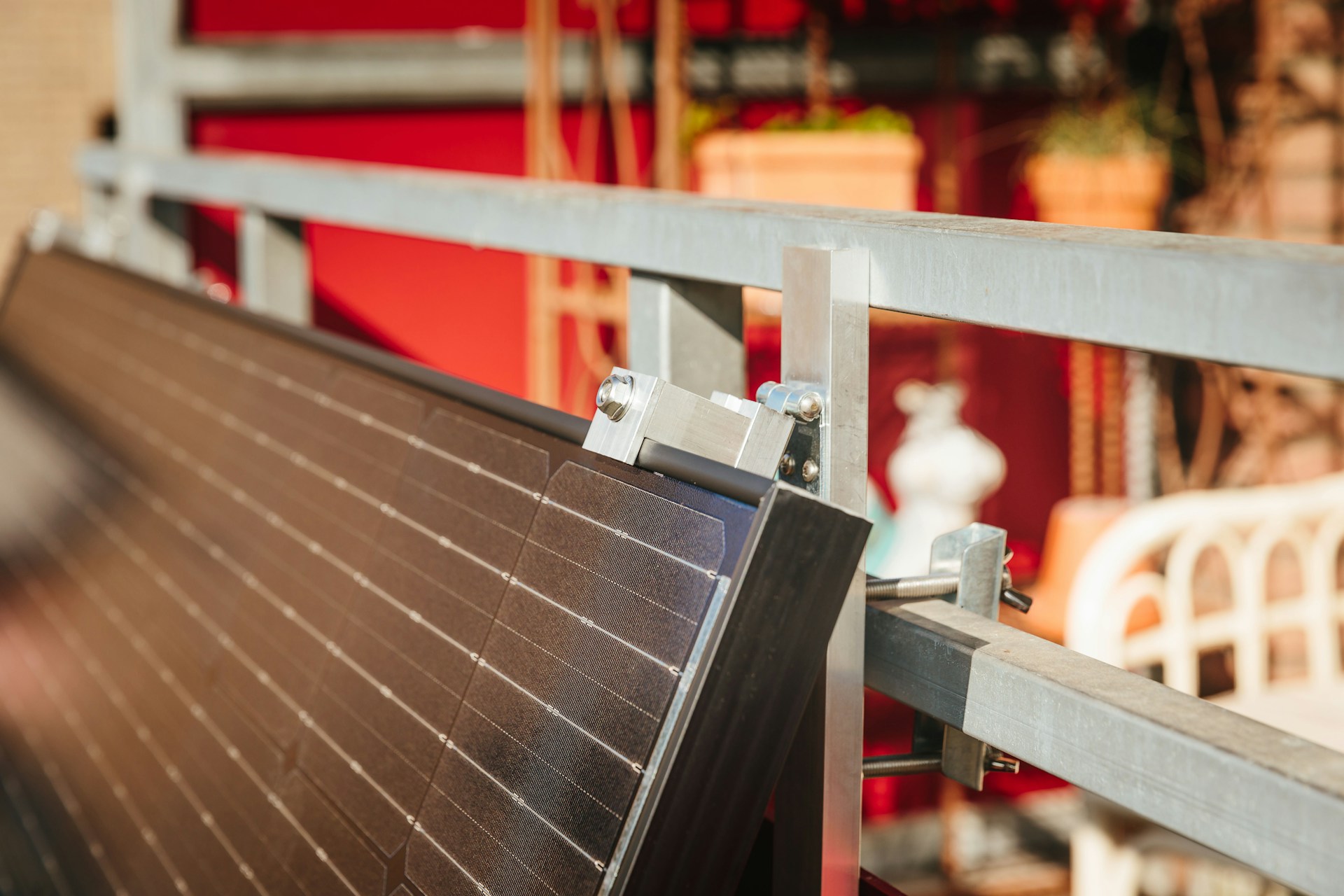
- Have secure mounting
- Have proper cable management
- Be positioned safely
- Not overload any circuits
Regular visual checks are recommended to ensure everything remains safe.
Calculate Your Savings
Now you understand the rules, find out how much you could save.
Use the Balcony Solar CalculatorFrequently Asked Questions
Summary
- Planning permission usually not required
- RCD protection is essential
- Landlord permission needed if renting
- DNO notification typically handled by supplier
- Check for restrictions in flats
- Use calculator to estimate your savings
Get your personalized estimate based on your location.
Calculate My Savings