Balcony Solar Legal UK: Complete Guide
Understand the legal status and requirements for balcony solar in the UK.
How Much Could You Save?
Get a personalized estimate based on your location and balcony orientation.
Calculate My SavingsIs Balcony Solar Legal in the UK?
Yes, balcony solar is legal in the UK. There's no law that prevents you from installing a small plug-in solar system on your property, subject to certain requirements.
However, there are several considerations to ensure you're operating within the rules:
- Electrical safety requirements
- Planning considerations
- Connection notification
- Property type restrictions
- Tenancy agreements
2026 UK Rule Changes
March 2026 marked a significant milestone for plug-in solar in the UK. The Energy Secretary announced new legalisation and standardisation of plug-in solar kits:
- BS 7671 Amendment 4 - New electrical wiring regulations set safety requirements for plug-in solar kits
- 800W Limit - Systems capped at 800W to prevent overheating home wiring
- G98 Notification - You have 28 days to notify your Distribution Network Operator after plugging in
- CE/UKCA Marking - Only buy kits with CE or UKCA marking for safety compliance
- Anti-Islanding Protection - Vital safety feature that prevents power from flowing when unplugged
These changes provide clearer regulations and safety standards for UK homeowners.
Legal Framework
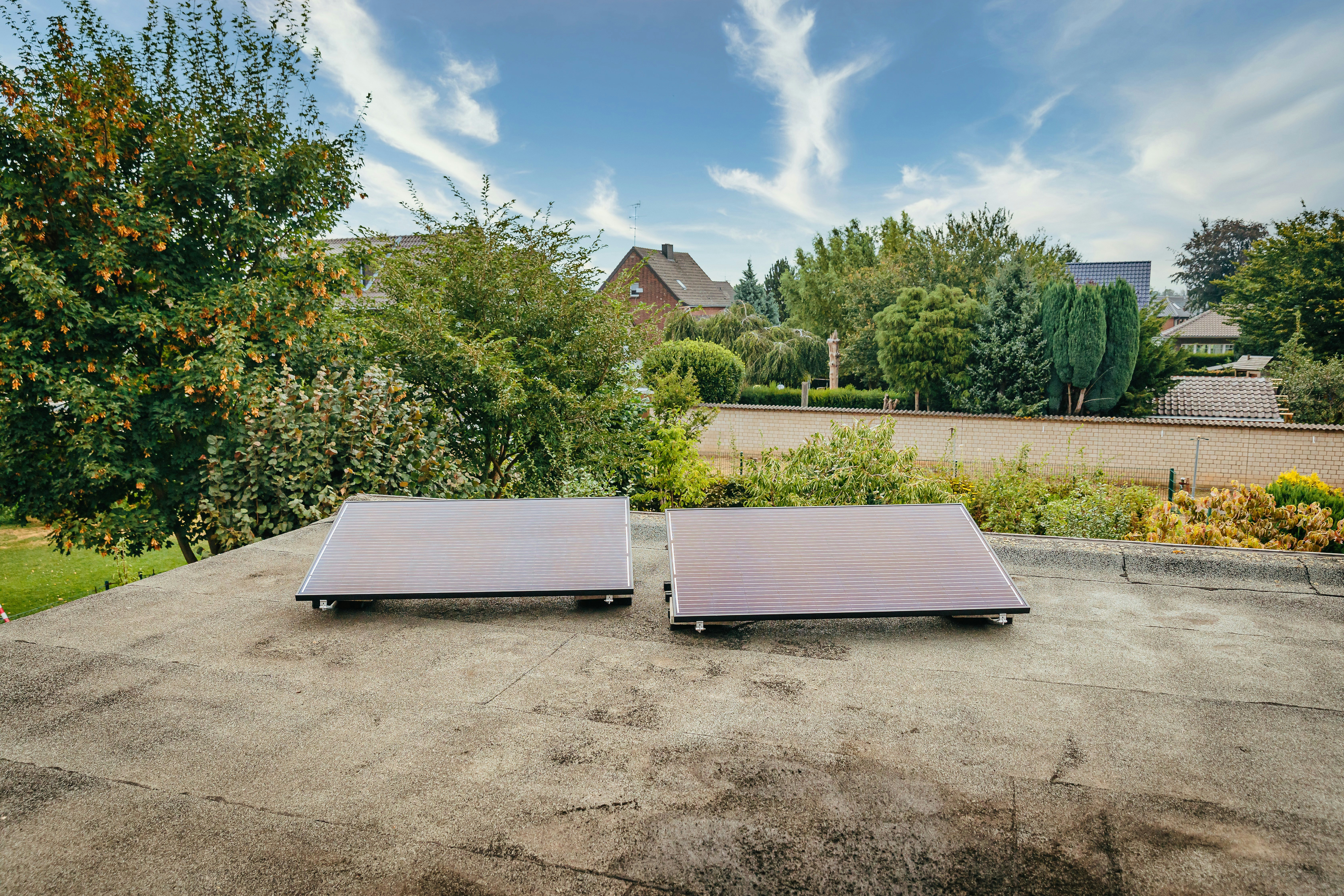
The legal framework for small solar in the UK includes:
G98 Connection Rules
These engineering recommendations from the Distribution Network Operator apply:
- Apply to systems up to 800W per phase
- 28-day notification deadline
- Simplified notification process
- Most suppliers handle this for you
- Ensures safe grid connection
Building Regulations
Generally not applicable to balcony solar because:
- No structural changes required
- No significant alteration to building
- Panels are removable
- No building control inspection needed
Property Types
Owner-Occupied Houses
The most straightforward cases:
- Garden or balcony space you control
- Fewer restrictions
- Check insurance requirements
Flats and Apartments
Additional considerations apply:
- Check leasehold agreements
- Get building management permission
- Consider shared vs private balconies
- Check structural limits
Shared Ownership
Check with your housing provider:
- May have specific rules
- Always get written permission
- Check shared space rules
Rental Considerations
Private Renters
If you're renting:
- You MUST get landlord permission
- Get permission in writing
- Discuss any conditions
- Portable systems may be preferred
- You may need to remove at end of tenancy
Social Housing
Housing association rules may differ:
- Check with your housing provider
- May have different permission processes
- Consider communal spaces
Landlord Considerations
If you're a landlord considering allowing balcony solar:
- Check insurance implications
- Consider tenant benefits
- Set clear terms in tenancy agreement
- Decide on permanent vs portable
Some landlords may increase rent slightly to reflect the benefit, or could consider the system as an added amenity.
Safety Regulations
Safety requirements are the most important legal consideration:
Electrical Safety (Essential)
- RCD protection is required
- CE marking on components
- Proper installation
- Regular checks recommended
Building Safety
- Secure mounting
- No trip hazards from cables
- Weather-safe installation
- No overload of structures
Insurance Considerations
Check your insurance policy:
- Home insurance - Some may require notification
- Liability - Ensure you're covered
- Landlord insurance - If renting, your landlord should check
Most standard UK home insurance policies cover solar panels, but it's worth checking.
Compliance Checklist
Before installing, ensure you have:
- Written permission (if renting or in flat)
- RCD-protected socket
- CE-marked components
- Suitable mounting location
- DNO notification (usually by supplier)
- Checked for planning restrictions
Calculate Your Savings
Now you understand the legal requirements, calculate your potential savings.
Use the Balcony Solar CalculatorFrequently Asked Questions
Summary
- Balcony solar is legal in the UK
- Safety requirements must be met
- Permission needed if renting
- Listed buildings need special consent
- Insurance notification recommended
- Use calculator for your savings estimate
Get your personalized estimate based on your location.
Calculate My Savings