Plug-In Solar UK: A Complete Guide
Understand how plug-in solar systems work and if they're right for your home.
How Much Could You Save?
Get a personalized estimate based on your location and balcony orientation.
Calculate My SavingsWhat Is Plug-In Solar?
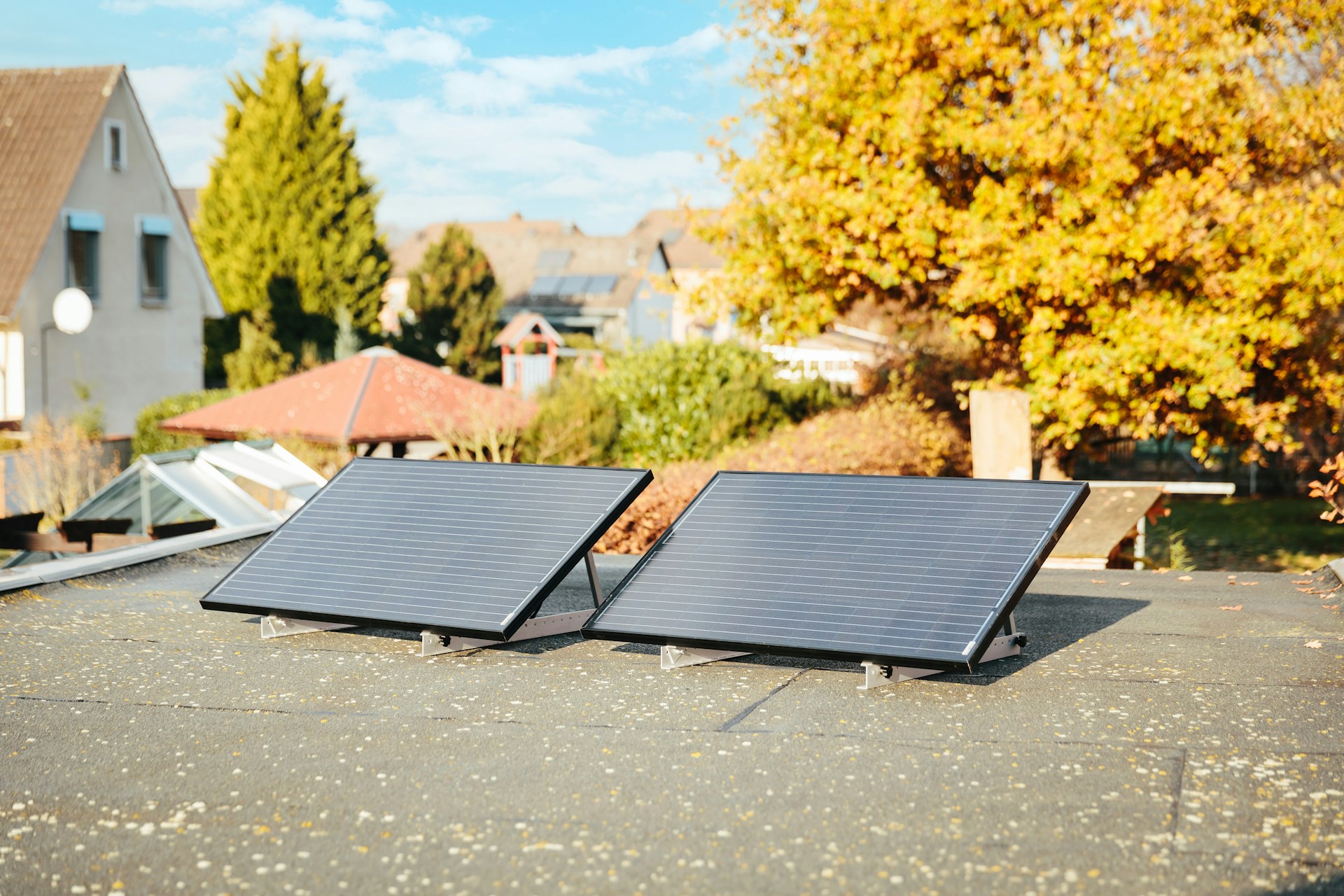
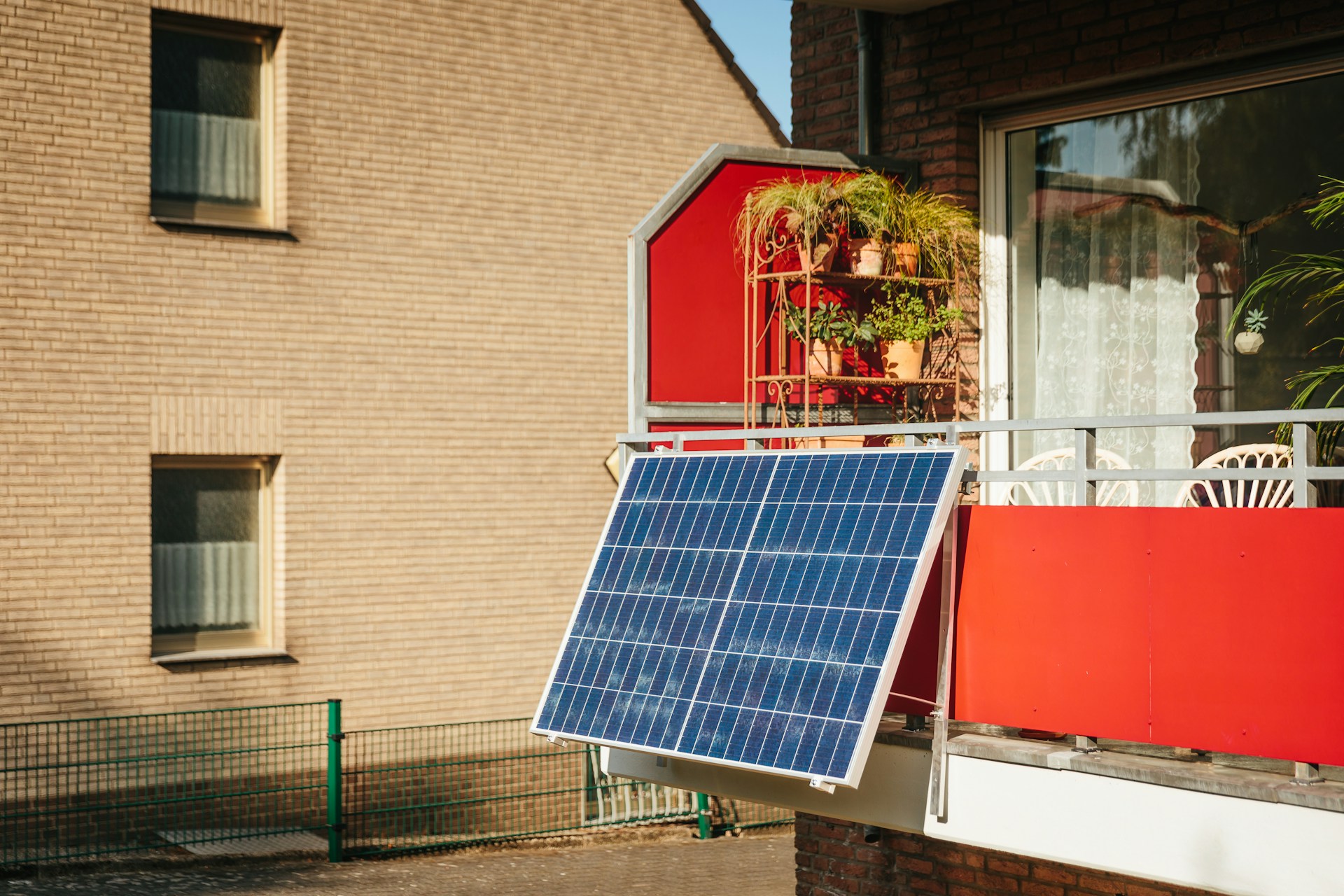
Plug-in solar refers to small solar panel systems that connect directly to a standard electrical socket. Unlike traditional rooftop solar, these systems require no complex mounting, no planning permission, and no professional installation in most cases.
The term "plug-in solar" is commonly used in the UK, while in Germany these systems are called "Balkonkraftwerk" (balcony power plant). Many UK homeowners search for this term specifically when looking for simple solar solutions.
How Plug-In Solar Systems Connect
The connection process is straightforward:
- Solar panels generate DC (direct current) electricity from sunlight
- Microinverter (usually attached to the panel or mounted nearby) converts DC to AC (alternating current)
- Cable with UK plug connects to a standard 3-pin socket
- Electricity flows directly into your home's electrical circuit
Types of Plug-In Solar Systems
Single Panel Systems (400W)
- One 400W panel
- Easiest to install
- Best for constrained spaces
- Annual output: 250-450 kWh
Dual Panel Systems (800W)
Realistic UK Performance
Output depends on your location, direction, and shading. Here are realistic UK examples:
South-Facing Balcony (London)
800W system
~720 kWh/year
~£180 annual savings
*At electricity price of 25p/kWh
East-Facing Balcony (Birmingham)
800W system
~600 kWh/year
~£150 annual savings
*East-facing captures morning sun
West-Facing Garden (Bristol)
800W system
~560 kWh/year
~£140 annual savings
*West-facing captures afternoon sun
Who Is Plug-In Solar For?
Plug-in solar works well for:
- Homeowners with balconies or gardens
- Renters (with landlord permission) who want a portable solution
- DIY enthusiasts comfortable with basic installation
- Flat owners without access to rooftops
- Shed/workshop owners wanting to offset workshop electricity
2026 UK Rule Changes
March 2026 marked a significant milestone for plug-in solar in the UK. The government announced new legalisation and standardisation of plug-in solar kits:
- BS 7671 Amendment 4 - New electrical wiring regulations set safety requirements for plug-in solar kits
- 800W Limit - Systems capped at 800W to prevent overheating home wiring
- G98 Notification - You have 28 days to notify your Distribution Network Operator after plugging in
- CE/UKCA Marking - Only buy kits with CE or UKCA marking for safety compliance
- Anti-Islanding Protection - Vital safety feature that prevents power from flowing when unplugged
These changes provide clearer regulations and safety standards for UK homeowners.
Safety Considerations
- RCD protection is essential - Ensures safety if there's a fault
- Use quality components - Stick to recognised brands
- Secure mounting - Panels must be securely fixed
- Cable management - Ensure cables won't be trip hazards
- Regular checks - Inspect connections periodically
Costs and Setup
Typical UK pricing:
- 400W kit: £300-£400
- 800W kit: £500-£700
- DIY installation: No extra cost
- Professional installation: £100-£200 (optional)
Most users can install the system themselves in 1-2 hours.
Get Your Personal Estimate
Every home is different. Use our calculator to get accurate estimates based on your specific location and balcony orientation.
Use the Balcony Solar CalculatorFrequently Asked Questions
Summary
- Plug-in solar connects to a standard UK socket
- Typical systems are 400W-800W
- Most systems can be installed DIY
- Requires RCD-protected circuit
- Annual savings of £100-£250 typically
- Use the calculator for precise estimates
Get your personalised estimate to see how much you could save.
Calculate My Savings